Claim Your Free Estimate Today
Finding Skilled Professionals for Outdoor Spaces
Selecting materials that balance durability, maintenance, and budget
Selecting the right materials represents one of the most critical decisions when planning a deck installation. Pressure-treated lumber remains a popular choice throughout Pennsylvania due to its affordability and resistance to rot and insect damage. This traditional option requires periodic maintenance, including staining or sealing every two to three years to protect against moisture penetration. Cedar and redwood offer natural beauty and inherent resistance to decay, though they command higher initial costs and still benefit from protective finishes to preserve their rich coloring.
Composite decking has gained substantial traction in Port Trevorton and surrounding communities, particularly among property owners seeking low-maintenance solutions. These engineered materials combine wood fibers with polymer resins, creating surfaces that resist fading, splintering, and moisture damage without the need for annual refinishing. While composite products typically require a larger upfront investment, the long-term savings in maintenance time and materials often justify the expense. The decision between natural wood and composite materials should account for your budget, aesthetic preferences, and willingness to perform ongoing maintenance.
Structural planning extends beyond surface materials to include the framework that supports your deck. Joists, beams, and posts must meet local building codes and accommodate the specific load requirements of your intended use. In areas with variable weather patterns like central Pennsylvania, proper spacing and sizing of structural components becomes essential to prevent sagging or failure over time. Professional fence contractors who also provide deck installation services bring valuable experience in selecting appropriate lumber grades and hardware that will withstand seasonal temperature fluctuations and moisture exposure.
The foundation system deserves equal attention during the material selection phase. Concrete footings must extend below the frost line to prevent heaving during winter freeze-thaw cycles, a particularly important consideration in our region where ground freezing occurs regularly. Galvanized or stainless steel fasteners and brackets resist corrosion far better than standard hardware, extending the service life of your entire structure. Working with qualified professionals ensures that every component, from the smallest screw to the largest beam, is specified correctly for your project’s unique requirements.
Creating layouts that serve your lifestyle and property characteristics
Thoughtful design transforms a basic platform into an outdoor living space that enhances your property’s functionality and value. Begin by assessing how you intend to use the deck. Families who frequently entertain large groups require different layouts than those seeking a quiet retreat for morning coffee. Traffic flow patterns should guide the placement of access points, seating areas, and any built-in features. A well-designed deck integrates seamlessly with your home’s architecture while providing clear pathways between indoor and outdoor spaces.
Size and proportion require careful calculation to avoid creating a deck that feels either cramped or disproportionately large for your property. A common guideline suggests allocating approximately 20 to 25 square feet of deck space per person for comfortable entertaining. However, this baseline should be adjusted based on furniture dimensions, built-in features, and circulation space. Multi-level designs can address challenging topography while creating distinct zones for dining, lounging, and other activities. Strategic elevation changes also improve visual interest and help define functional areas without requiring walls or partitions.
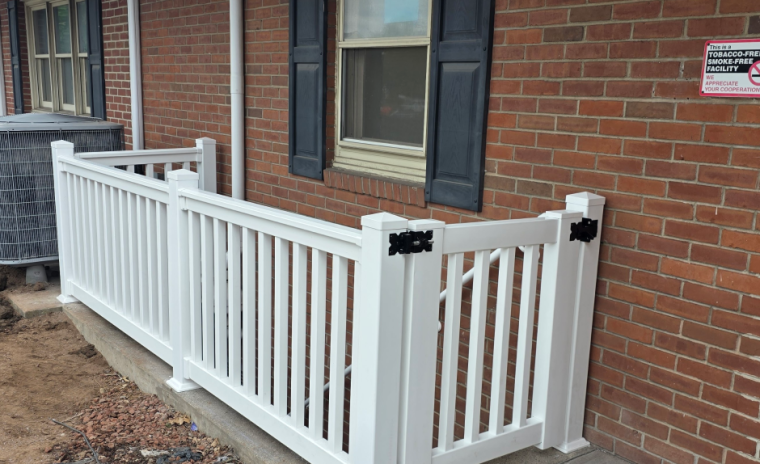
Integration with complementary outdoor structures significantly enhances both aesthetics and privacy. Installing a vinyl fence or wood privacy fence along the perimeter creates defined boundaries and shields your outdoor space from neighboring properties. Many property owners coordinate their deck and fencing projects simultaneously, ensuring consistent materials, colors, and design elements throughout their yard. Professional fence contractors can recommend railing systems that complement fencing styles, creating a cohesive appearance across your entire outdoor environment.
Consideration of sun exposure, prevailing winds, and views should inform orientation decisions. Decks positioned on the western side of homes receive intense afternoon sun during summer months, potentially requiring shade structures or strategic screening. Conversely, northern exposures may benefit from design elements that maximize available sunlight. The sight lines from your deck to adjacent properties, streets, or natural features deserve attention during the planning phase. Thoughtful positioning of privacy screens, pergolas, or plantings can preserve desirable views while blocking less appealing vistas.
Building techniques that guarantee structural integrity and code compliance
Proper installation techniques separate decks that serve reliably for decades from those requiring premature repairs or replacement. The foundation system establishes the baseline for structural integrity. Footings must be sized appropriately for the loads they will carry and positioned to distribute weight evenly across stable soil. In Port Trevorton’s climate, frost heave poses a genuine risk when footings do not extend below the frost line, typically 36 to 42 inches deep in central Pennsylvania. Skipping this fundamental step can result in posts shifting or tilting during winter months, compromising the entire structure’s stability.
Ledger board attachment represents another critical installation detail that directly impacts safety. The ledger, which connects your deck to your home’s structure, must be secured with appropriate lag screws or through-bolts spaced according to code requirements. Flashing installation above the ledger prevents water from infiltrating the connection point and causing rot in either the deck framing or your home’s band joist. Many deck failures occur at this connection point, making proper installation absolutely essential. Professional deck installation contractors understand these requirements and possess the tools and experience to execute them correctly.
Joist spacing, beam sizing, and support post placement must all conform to engineering standards that account for your deck’s dimensions and intended load capacity. Undersized or improperly spaced framing members can lead to excessive deflection or bounce when the deck is occupied. Blocking between joists adds rigidity and prevents the lateral movement that can cause squeaking or instability over time. These structural elements remain hidden once decking is installed, making it difficult for property owners to assess quality after completion. This reality underscores the importance of hiring qualified professionals who build correctly from the start.
Decking installation itself requires attention to proper spacing, fastener selection, and board alignment. Hidden fastening systems available for many composite products create clean surfaces without visible screws, while traditional face-screwing demands consistent spacing and pre-drilling to prevent splitting. Adequate gaps between boards allow for drainage and thermal expansion, preventing buckling during temperature fluctuations. Railing systems must be anchored securely to meet code requirements for strength and stability. Whether you’re installing a deck, completing fence installation services, or coordinating both projects, professional workmanship ensures compliance with all applicable building codes and manufacturer specifications.
Integrating decks with fencing for a cohesive outdoor environment
Regular maintenance extends the service life of your deck and preserves its appearance through years of seasonal exposure. Wood decks require the most consistent attention, beginning with annual cleaning to remove dirt, pollen, mildew, and organic debris that can trap moisture against the surface. Power washing offers an effective cleaning method, though excessive pressure can damage wood fibers and raise grain. A gentler approach using specialized deck cleaning solutions followed by a soft brush or low-pressure rinse achieves excellent results without causing harm to the material.
Protective finishes represent your primary defense against moisture penetration, UV degradation, and surface checking. Clear sealers provide water repellency while allowing the natural wood grain to show through, though they offer minimal UV protection and typically require reapplication every one to two years. Semi-transparent stains add color while highlighting wood texture, combining aesthetic enhancement with improved UV resistance. Solid-color stains deliver maximum protection and durability but obscure the natural grain pattern. The choice among these options depends on your aesthetic preferences and maintenance commitment. Property owners who also maintain wooden fencing often coordinate fence staining and deck refinishing projects to ensure color consistency across their outdoor structures.
Composite and PVC decking materials dramatically reduce maintenance requirements but are not entirely maintenance-free. Periodic cleaning with soap and water removes surface dirt and prevents the buildup of materials that can cause staining. Some composite products may develop mold or mildew in shaded, damp conditions, requiring treatment with appropriate cleaning solutions. Surface scratches on composite decking typically cannot be sanded or refinished as wood can, making careful furniture placement and protective pads important preventive measures. The trade-off between lower maintenance and reduced refinishing options should factor into your initial material selection.
Structural inspection should occur at least annually, with particular attention to connection points, fasteners, and areas where wood contacts the ground or house structure. Look for signs of rot, insect damage, loose boards, or failing fasteners. Railings deserve special scrutiny since they serve a critical safety function and experience substantial lateral forces during normal use. Many property owners who work with a qualified fence contractor for perimeter fencing also rely on the same professionals for deck inspections and repairs, benefiting from their understanding of outdoor structure maintenance. Addressing minor issues promptly prevents them from escalating into expensive repairs or safety hazards, protecting both your investment and your family’s wellbeing.
Understanding when to hire professionals versus attempting DIY construction
Creating a unified outdoor space requires careful coordination between your deck and surrounding fencing. When these elements share design continuity, they transform separate structures into a cohesive landscape that enhances property value and aesthetic appeal. Homeowners in Port Trevorton often discover that planning both projects together yields superior results compared to addressing them separately years apart.
Material coordination forms the foundation of visual harmony. If you select composite decking with warm gray tones, choosing vinyl fence installation in complementary shades creates immediate visual flow. Wood decks pair naturally with wood fencing when stained to match or deliberately contrasted for architectural interest. Many fence installation services now offer color-matching consultations to ensure your structures complement rather than compete. The transition between deck and fence also matters practically. Attaching railings directly to fence posts when spacing permits eliminates redundant vertical elements and strengthens both structures simultaneously.
Height relationships deserve careful consideration during the planning phase. A deck elevated three feet above grade requires fencing tall enough to provide privacy for users standing on the platform, not just at ground level. Working with experienced fence contractors during deck design prevents the common mistake of installing perimeter fencing that feels adequate initially but proves too short once the deck is complete. Pennsylvania building codes specify minimum railing heights for elevated decks, and coordinating these requirements with fence height creates safer, more functional outdoor spaces.
Gate placement becomes particularly important when decks connect to fenced yards. Positioning access points to allow natural traffic flow from the house through the deck and into the yard prevents awkward bottlenecks. Professional deck builders and fencing companies can assess your property’s topography together, identifying optimal locations for stairs, landings, and gates that work as an integrated system rather than isolated features added over time.